

Why Is the Florida Everglades So Important?
Everglades conservation matters because this vast wetland is one of South Florida’s defining natural systems. Water, sawgrass, tree islands, mangroves, and shallow marshes work together to support native wildlife and connect inland habitats with Florida Bay and the coast.
For Miami visitors, the Everglades offers a chance to understand the landscape beyond the city. Protecting the Everglades helps sustain the habitats people come to experience while supporting a healthier Florida Everglades ecosystem for the communities and species that depend on it.
Why Has the Everglades Ecosystem Changed?
The Everglades has changed over generations as South Florida developed. Drainage and flood-control projects altered the timing, direction, and amount of water moving through the landscape. Agriculture, urban growth, roads, and canals reshaped habitats, while nutrient pollution, invasive species, and habitat loss add continuing pressure.
Water Flow Is Central to the Everglades
The natural Everglades depends on seasonal water patterns. When water is stored, diverted, or delivered at different times than the ecosystem evolved with, marshes, estuaries, and wildlife habitat can respond differently. Conservation and restoration work often focuses on improving the quality, timing, and distribution of water while balancing the needs of people and the environment.
Why Everglades Conservation Matters for Wildlife
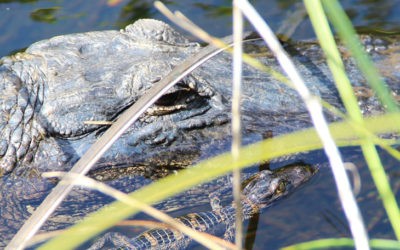
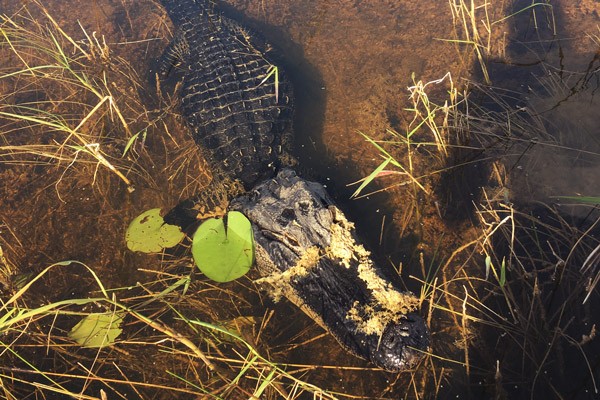
Everglades wildlife relies on a connected mosaic of freshwater marsh, cypress wetlands, tree islands, and coastal habitat. American alligators, wading birds, fish, turtles, snakes, frogs, and native plants each use the ecosystem in different ways. When habitat quality or water conditions change, the effects can move through the food web.
Visitors can explore this diversity in our Everglades Wildlife Guide, including a closer look at birds, aquatic life, and native plants. For more about one of the ecosystem’s most recognizable reptiles, read American Alligators in the Florida Everglades.
Everglades Restoration and Conservation Efforts
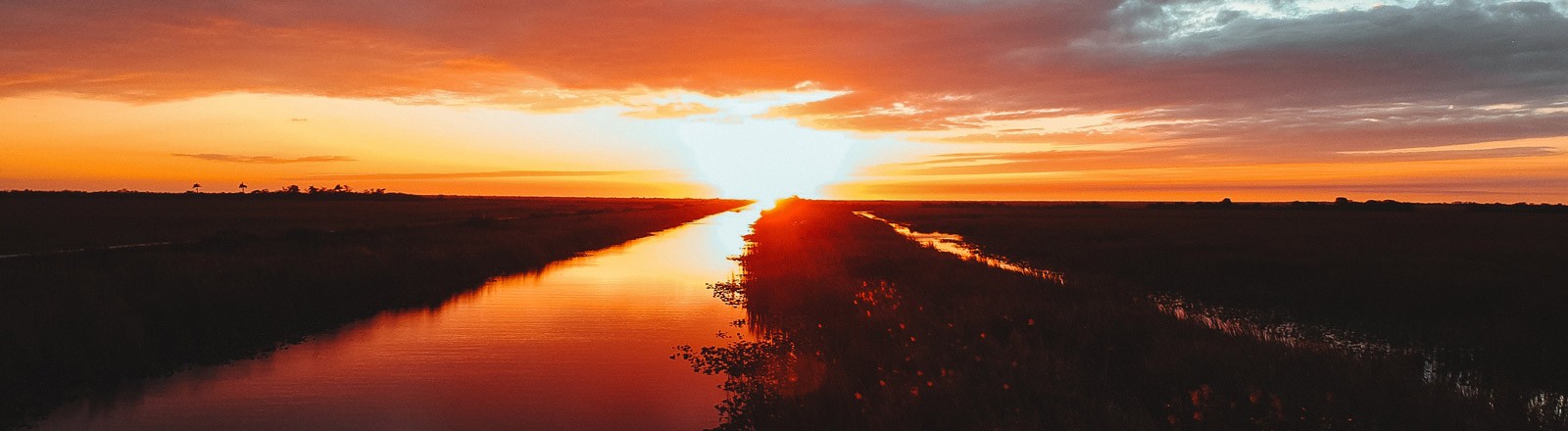
Everglades restoration is a long-term effort involving public agencies, tribal governments, scientists, land managers, local communities, and conservation organizations. Projects can include restoring more natural water flow, improving water quality, protecting wetlands, managing invasive species, and conserving habitat. Progress is complex and ongoing, but the shared aim is a more resilient ecosystem.
How Visitors Can Help Protect the Everglades
Small choices matter when you are visiting a sensitive wetland. Never feed, touch, chase, or disturb wildlife. Pack out everything you bring, never litter, and keep all food and loose items secure. Respect vegetation and habitat by staying where your guide or posted regulations direct you, and never remove plants, animals, feathers, shells, or other natural materials.
Responsible Everglades Tourism
Responsible Everglades tourism begins with curiosity and respect. Watch wildlife from a safe distance, use binoculars or a camera rather than moving closer, listen to your guide, and follow all posted rules. A thoughtful visit helps protect the experience for future travelers while allowing wildlife to behave naturally.
Take Part in Our Green Challenge
Miami Everglades Connection invites guests to take part in its Green Challenge, which asks visitors to stay alert for floating debris while enjoying the waterways. It is a simple reminder that keeping litter out of the Everglades is everyone’s responsibility.
Experience and Learn About the Everglades Near Miami
A guided airboat trip can be a meaningful introduction to the habitats, wildlife, and conservation questions that shape South Florida. Explore Miami Everglades airboat tours to experience this landscape near Miami with local context and responsible wildlife viewing in mind.