

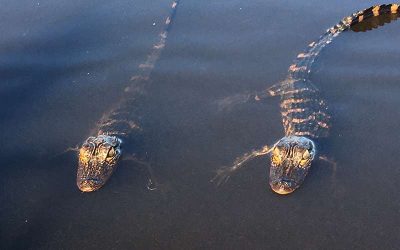
American Alligators in the Florida Everglades
American alligators are one of the most recognizable animals in the Florida Everglades—and an important part of the wetland ecosystem. For visitors planning an Everglades experience from Miami, learning how these reptiles live, feed, and shape their habitat adds useful context to every wildlife sighting.
Seeing an alligator is never guaranteed in the wild, but an airboat ride offers a respectful way to explore the waterways and look for Everglades wildlife with a local guide.
Where Do Alligators Live in the Everglades?
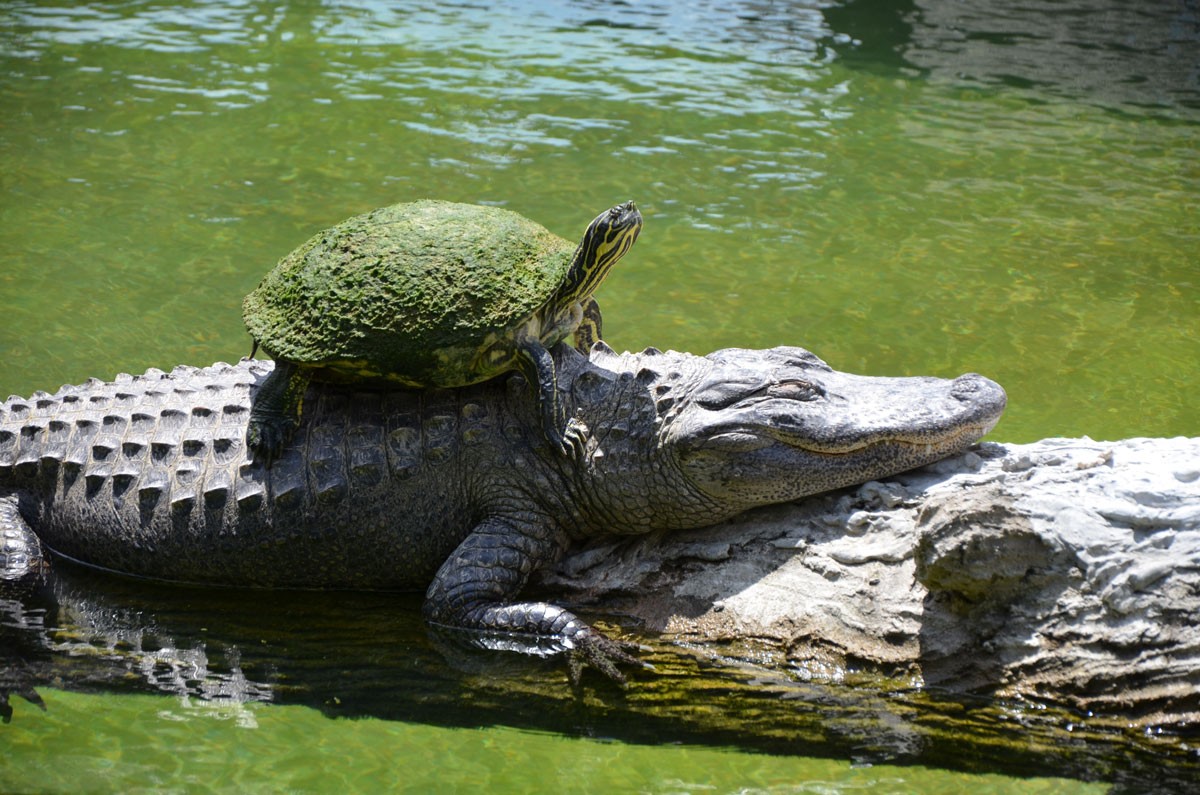
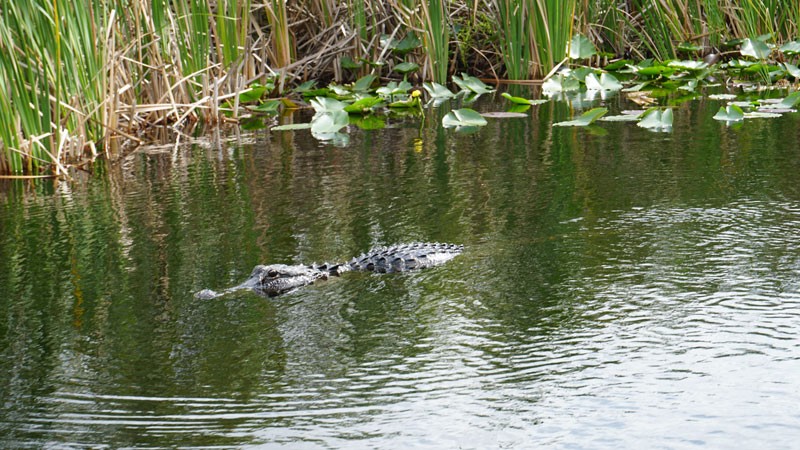
American alligators primarily live in freshwater marshes, swamps, lakes, rivers, and canals. In the Everglades, they may also be found near brackish water for short periods, although they are better suited to freshwater than crocodiles. During dry conditions, alligators can create or use shallow depressions often called alligator holes, which can retain water and provide refuge for other wildlife.
Alligator vs. Crocodile: What’s the Difference?
South Florida is one of the few places where American alligators and American crocodiles occur in the same region. Alligators typically have a broader, U-shaped snout and are more closely associated with freshwater. Crocodiles usually have a narrower, V-shaped snout and tolerate saltier water more readily. From a distance, the safest choice is to enjoy either animal without approaching it.
Interesting American Alligator Facts
Alligators are a keystone species in the Everglades. Their nesting and digging activities help create habitat, and their alligator holes can hold water during dry periods. Juveniles often show bright yellow banding that fades as they mature. Adult size varies, and South Florida alligators tend to be smaller than the largest individuals found elsewhere in the Southeast.
What Do Everglades Alligators Eat?
Young alligators eat insects, small fish, and frogs. As they grow, their diet can include fish, turtles, birds, reptiles, and small mammals. They are opportunistic predators, and feeding activity depends heavily on water temperature. Visitors should never feed or provoke an alligator; feeding wildlife can change natural behavior and create unsafe situations for people and animals.
When Are Alligators Most Active in the Everglades?
Alligators rely on their environment to regulate body temperature, so their activity changes with weather, water temperature, and season. Warmer conditions generally support more feeding and movement, while cooler temperatures can slow them down. Your guide can help you understand what conditions may mean for wildlife viewing on the day of your tour.
Can You See Alligators on an Everglades Airboat Tour?
An airboat tour is a memorable way to explore habitat where alligators live, but wildlife encounters are never promised. Experienced guides know the waterways, explain the landscape, and help guests watch for signs of wildlife from a safe, respectful distance. Browse Miami Everglades airboat tours to plan an on-the-water visit near Miami.
Experience Everglades Wildlife Near Miami
Alligators are only one part of a remarkably varied ecosystem. On a visit to the Everglades, you may also notice wading birds, turtles, fish, and native plant life. Choose an Everglades airboat tour to experience this landscape near Miami and learn why responsible observation matters.